Why Thinning Your Timber is Important
Reduces Wildfire Risk
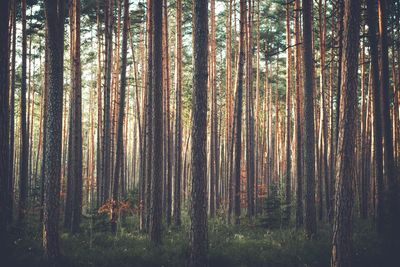
Texas forest, especially in East Texas, can become dangerously dense. Thinning removes excess fuel (small trees, brush, deadwood), slows the spread of fires, and keeps flames lower and less intense.
Improves Tree Health
When too many trees compete for the same resources they fight for sunlight, water, and nutrients and the growth slows and trees become weaker. Thinning gives the remaining trees more space, helping them grow larger, stronger, and more valuable.
Increases Drought Resistance
Texas frequently experiences drought conditions. Thinning reduces competition for limited water, helps trees survive dry periods, and improves overall forest resilience.
Helps Prevent Disease & Insect Outbreak
Crowded forests allow pests and diseases to spread quickly. Thinning improves airflow, reduces stress on trees (stressed trees are more vulnerable), and slows the spread of insects like bark beetles.
Supports Wildlife Habitat
A properly thinned forest allows sunlight to reach the ground, encourages grasses and shrubs to grow, and provides better food and habitat for deer, birds, and other wildlife.
Boost Economic Value
For landowners, thinning produces usable timber, improves the quality of remaining trees for future harvest, and increases long-term land value